


-

Add: HeBei ShengShi HongBang Cellulose Technology CO.,LTD.
-

Email
13180486930@163.com -

CONTACT US
+86 13180486930
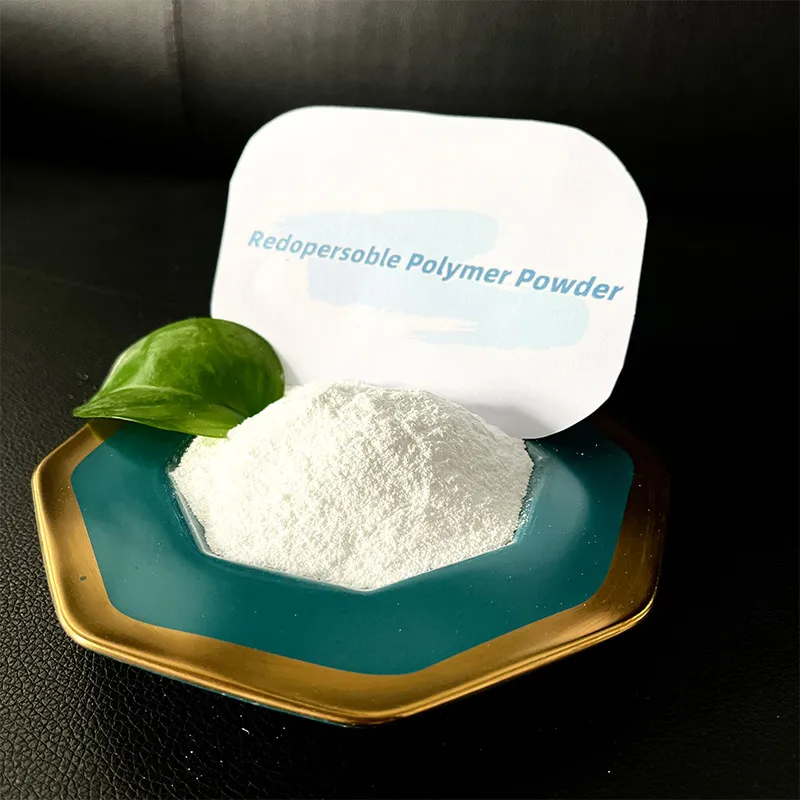
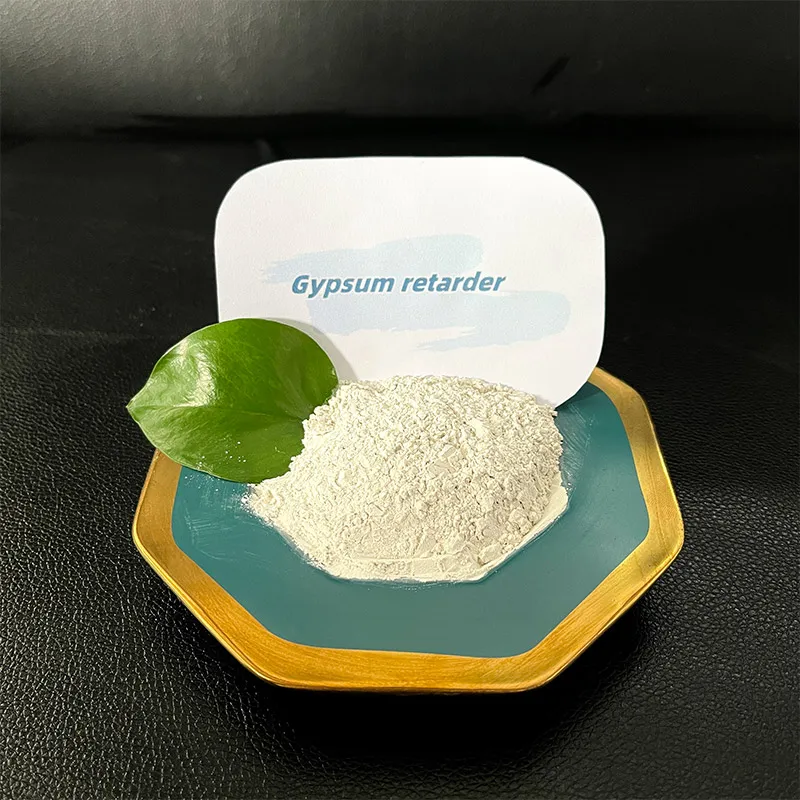






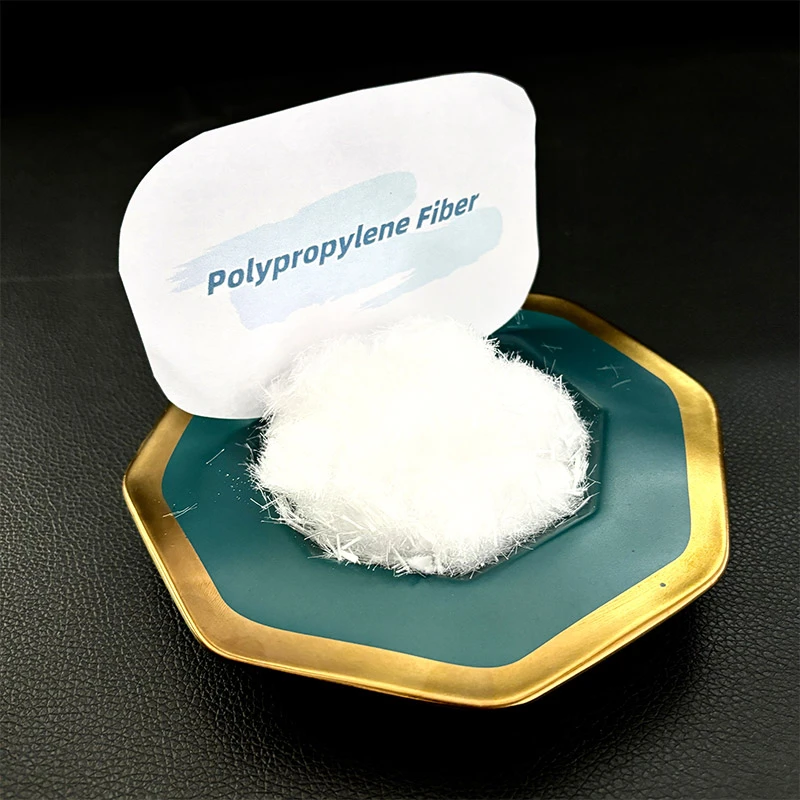
Polypropylene fiber is an innovative material that significantly enhances the performance characteristics of concrete and mortar, making it an essential component in modern construction applications. As a premier supplier, HeBei ShengShi HongBang delivers premium-grade polypropylene fibers that meet rigorous international standards for strength, durability, and performance optimization. Technical Specifications of Premium Polypropylene Fibers Parameter Standard Value Test Method Performance Benefit Fiber Length 3-20 mm ASTM D2130 Crack control optimization Diameter 18-45 microns ISO 1888 Optimal reinforcement distribution Tensile Strength 400-750 MPa ASTM D2101 Structural reinforcement Elastic Modulus 3.5-10 GPa ISO 527 Flexural strength enhancement Melting Point 160-170°C ASTM D7138 Heat resistance Density 0.91 g/cm³ ISO 1183 Ease of mixing Alkali Resistance >95% ASTM C1116 Concrete matrix longevity Dosage Rate 0.6-1.8 kg/m³ ACI 544 Plastic shrinkage reduction Industry Applications & Technical Advantages Concrete Reinforcement Our pp fiber products reduce crack formation by up to 85% while improving impact resistance by 150% (ACI Materials Journal). Mortar Enhancement Microfiber synthetic additives decrease permeability and improve freeze-thaw durability in mortar applications. Pavement Construction Integrating polypropylene fibre extends road lifespan by minimizing reflective cracking (Journal of Materials in Civil Engineering). Industrial Flooring Our fibers increase abrasion resistance and eliminate joint spacing limitations in warehouse slabs. Performance Analysis of Polypropylene Fibers Comparative strength development in fiber-reinforced concrete Surface durability under abrasion testing cycles (ASTM C944) Global market growth projections for synthetic fibers (2024-2030) Technical FAQ: Polypropylene Fiber Applications What fiber length provides optimal crack control? For most concrete applications, 12mm fibers demonstrate optimal performance with uniform dispersion and maximum crack-bridging capability according to RILEM technical recommendations. For spray applications, 6mm microfibers are preferred. How does aspect ratio affect reinforcement? Aspect ratio (length/diameter) directly influences bonding strength. We manufacture fibers with 200-500 ratios ideal for different mix designs. Higher ratios increase tensile strength but require careful mixing procedures. What polymer grade is suitable for aggressive environments? Our chemically-modified homopolymer fibers with pH stability from 1-13 withstand harsh chemical exposure exceeding 20 years according to ASTM C666 freeze-thaw certification. How does dosage affect compressive strength? Optimal dosages between 0.9-1.2kg/m³ increase compressive strength 15-20% as documented in ACI 544.3R reports. Higher dosages improve toughness but may slightly decrease workability. What surface treatments enhance bonding? Our proprietary hydrophilic coating improves fiber-matrix bond strength by 30% compared to untreated fibers (CTLGroup testing). This treatment also reduces mixing time. How do synthetic fibers compare to steel reinforcement? While steel provides primary reinforcement, polypropylene fiber offers secondary reinforcement with superior crack control, corrosion resistance, and freeze-thaw protection at 1/10 the material cost. What certifications does your production meet? Our manufacturing facility is ISO 9001:2015 certified with individual products meeting ASTM C1116, EN 14889-2, and JIS A6204 standards for consistent quality assurance. Industry Recognition & Technical Validation "Recent studies confirm that properly engineered polypropylene fibers can extend concrete service life by 40-60% by effectively controlling microcrack formation during critical curing stages." - International Journal of Concrete Structures and Materials Additional Technical References: "Performance Evaluation of Synthetic Fiber Reinforced Concrete" - American Concrete Institute ( www.concrete.org ) "Global Fiber Market Analysis 2023" - Fiber Cement Composite Research Council ( fibercomposites.org ) "Durability Enhancements through Microfibers" - Journal of Building Materials Science ( jbms.build ) "Comparative Analysis of Fiber Reinforcements" - Materials and Structures Journal ( matsstruct.springer.com ) "Advanced Production Techniques for PP Fibers" - International Fiber Association ( globalfibers.org ) Request Your Technical Sample Package Experience the ShengShi HongBang difference in our premium polypropylene fiber products engineered for superior performance. Contact Our Engineering Team Call: +86 13180486930 Email: 13180486930@163.com
- 40000tons

Production
- 20+years

Experience
- 5000+㎡

Acreage

-

Hydroxypropyl methyl cellulose (HPMC) serves as a multifunctional polymer , gaining prominent attention across various industries due to its versatile nature. This formidable compound is a crucial component in pharmaceuticals, food products, personal care items, and construction materials. Its extensive applicability is owed to its unique properties, such as forming films, retaining moisture, and acting as a thickening agent. In pharmaceuticals, HPMC is praised for its role as an excipient in drug formulation. Its ability to control the release of active ingredients makes it invaluable for sustained-release medication. Clinical expertise confirms that HPMC’s inert behavior and biocompatibility ensure it doesn't interfere with drug efficacy, making it a go-to solution for developing efficient, patient-friendly pharmaceutical products. Research reports from credible institutions have consistently demonstrated that its consumption is safe, which garners trust among consumers and professionals alike. From an expertise standpoint, the construction industry benefits significantly from HPMC’s superior performance as an adhesive and thickening agent in tile adhesives, cement renders, and plasters. Its inclusion enhances workability, water retention, and open time, critical parameters in achieving durable and high-quality finishes. Renowned civil engineering manuals and authoritative construction experts frequently cite HPMC as a key ingredient in modern building materials, underscoring its authoritative stance in construction practices. The food industry's adoption of HPMC is equally robust, where it functions as an emulsifier and stabilizer. In gluten-free and vegetarian formulations, HPMC is highly valued for its ability to mimic the texture and structural properties that gluten provides. Professional food technologists often assert that this cellulose derivative is a game changer in creating palatable and appealing food products without compromising nutritional benefits. hpmc hydroxypropyl methyl cellulose In personal care, HPMC’s film-forming capabilities make it a primary component in shampoos, lotions, and creams. It offers moisture retention, enhancing the sensory feel and stability of cosmetic products. Dermatological studies endorse the incorporation of HPMC in skin care formulas for its hypoallergenic properties, fortifying its reputation for safety and effectiveness. Experience continues to reinforce HPMC's reliability across these domains. As companies have shifted towards more sustainable practices, HPMC has emerged as an environmentally friendlier alternative to synthetic chemicals, being biodegradable and ethically sourced from cellulose. Through decades of consistent application and research, experts have cemented its role as both a high-performance ingredient and a benchmark of integrity in product formulation. The trustworthiness of HPMC is not just anecdotal but statistically significant. Extensive laboratory testing and market analysis showcase its consistent quality and conformity to stringent international standards. This ensures that manufacturers and consumers can rely on HPMC without reservations about safety or performance, securing its place as a cornerstone in diverse product lines. As industries further explore innovative applications, the future of HPMC remains bright, backed by a rich foundation of experience, expertise, authority, and trustworthiness—qualities that continue to drive its global appeal and usage in product innovation.
-
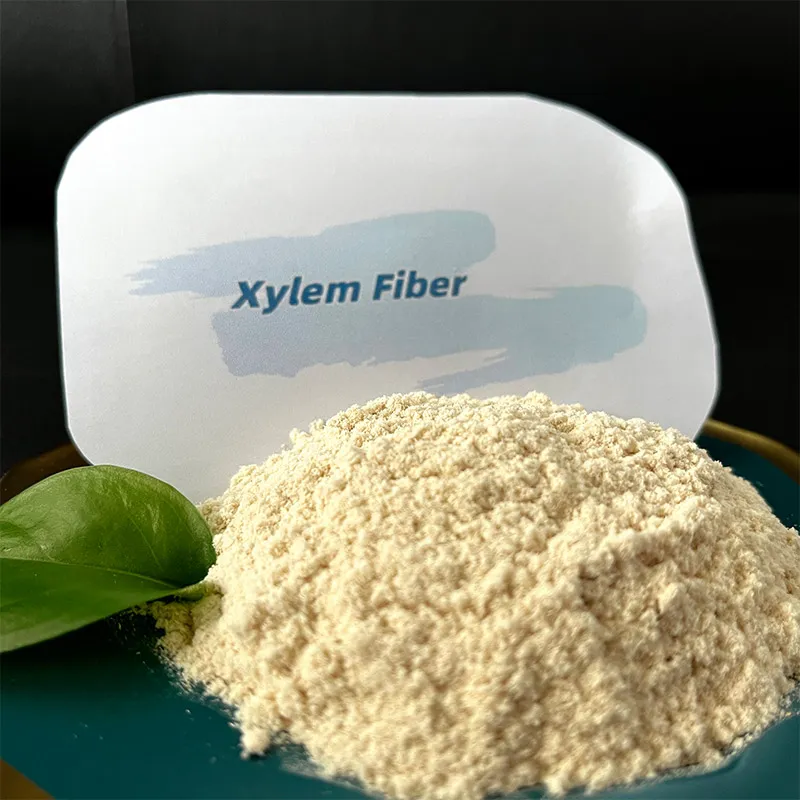
Understanding Confix PP Fiber A Breakthrough in Material Science In the quest for advanced materials that can cater to a myriad of applications, Confix PP fiber has emerged as a significant player in the industry. This innovative product is synonymous with strength, versatility, and sustainability, making it an appealing choice for manufacturers and consumers alike. In this article, we will explore what Confix PP fiber is, its properties, applications, and advantages, shedding light on why it stands out in the competitive landscape of synthetic fibers. What is Confix PP Fiber? Confix PP fiber is a specialized polypropylene fiber that has been engineered for enhanced performance in various applications. Polypropylene, a thermoplastic polymer, is known for its lightweight, chemical resistance, and thermal stability. The Confix designation typically signifies that this particular fiber has been treated or designed to provide additional benefits, such as improved tensile strength, durability, and resistance to moisture, making it suitable for a broader range of uses. One of the main advantages of polypropylene as a base material is its high resistance to wear and tear, along with its non-toxic and recyclable nature. Confix PP fibers capitalize on these inherent qualities while also introducing innovations that optimize functionality and adaptability across industries. Key Properties of Confix PP Fiber The qualities that define Confix PP fibers are pivotal to their widespread adoption. Here are some key properties 1. Durability Confix PP fibers are designed to withstand harsh conditions. This durability reduces the frequency of replacements, a crucial factor for industries seeking long-term solutions. 2. Water Resistance Unlike many natural fibers, polypropylene does not absorb water, making Confix PP fibers ideal for applications in humid conditions or areas prone to moisture. 3. Lightweight The low density of polypropylene makes Confix fibers exceptionally light, which benefits transport and handling, particularly in industries such as textiles, automotive, and construction. 4. Chemical Resistance Confix PP fibers exhibit excellent resistance to a wide range of chemicals, including acids and alkalis, making them suitable for diverse applications, including those in chemical processing. 5. Versatility These fibers can be manufactured in various forms, including filaments and non-woven fabrics, allowing for extensive applicability in different sectors such as apparel, home textiles, and industrial applications. Applications of Confix PP Fiber confix pp fiber The versatility of Confix PP fibers allows them to be utilized in numerous applications. Some notable uses include - Textiles Confix PP fibers are used in the production of clothing, carpets, and upholstery fabrics. Their durability and stain resistance make them ideal for both casual wear and high-performance environments. - Automotive Industry These fibers are increasingly used in the automotive sector, where lightweight materials can lead to improved fuel efficiency. Confix PP fibers are employed in car interiors, insulation, and even body panels. - Construction In construction, Confix PP fibers can reinforce concrete and other materials, enhancing their strength and durability. They are also used in geotextiles for soil stabilization and erosion control. - Geosynthetics The fiber's resistance to moisture and erosion makes it suitable for environmental applications such as drainage systems, landfill liners, and soil containment. Advantages of Using Confix PP Fiber The advantages of Confix PP fiber are multifaceted - Cost-Effectiveness Although the initial investment in advanced fibers may be higher than traditional materials, their longevity and performance can lead to lower overall costs in the long run. - Sustainability As industries shift towards more sustainable practices, Confix PP fibers align with eco-friendly initiatives. They are recyclable, reducing environmental impact. - Innovation The ongoing research and development in fiber technology enhance the performance of Confix PP fibers, ensuring they remain at the forefront of material science. Conclusion In conclusion, Confix PP fiber represents a significant advancement in the field of synthetic materials. Its properties of durability, versatility, and sustainability make it a vital choice for various applications across multiple industries. As demand for high-performance, environmentally responsible materials continues to rise, Confix PP fibers are poised to play an essential role in shaping the future of manufacturing and construction. Understanding and leveraging the capabilities of Confix PP fiber can lead to innovative solutions that meet the challenges of tomorrow.
advantages
-

200000 Viscosities
Excellent product
We can produce pure products up to 200,000 viscosities
-

40000 tons
High yield
We don’t stop production all year round, and the annual output can reach 40,000 tons
-

24 hours
Quality service
We provide 24-hours online reception service, welcome to consult at any time
———— Inquiry Form
Schedule A services
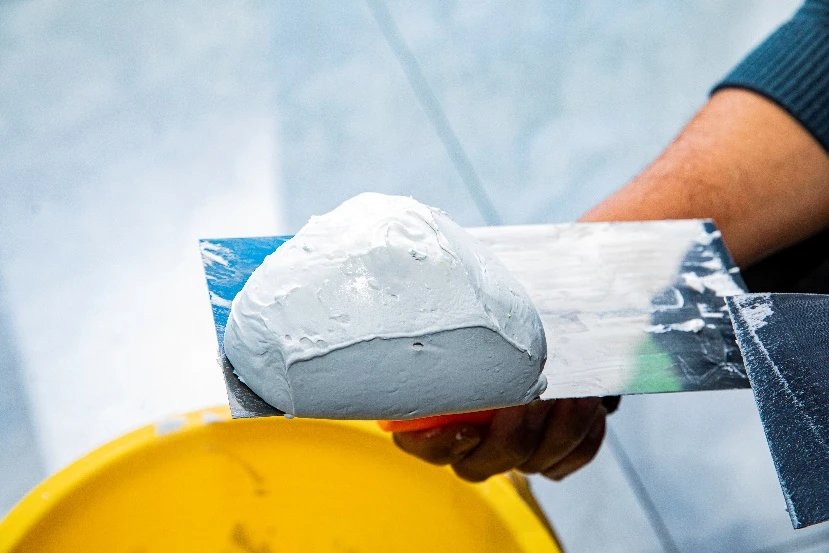

-
 hpmc_cas
Oct . 25, 2025
HPMC K 100 M, short for Hydroxypropyl Methylcellulose, is a versatile polymer widely used across ind - hpmc_e6
Oct . 25, 2025
Hydroxypropyl methylcellulose (HPMC) is a multi-functional polymer that garners extensive attention -
 hpmc_juice_bar
Oct . 25, 2025
Retaining optimal eye health in today’s digitally-driven world poses a significant challenge, with i


